What to Expect on Killarney Walking Trails
Surface conditions, what to wear, where to find facilities, and how weather affects these routes. Practical information for planning your visit with confidence.

Understanding What You'll Encounter
Killarney's walking trails offer some of Ireland's most rewarding routes, but knowing what to expect makes all the difference. We're not talking about mystery or surprises — we mean practical details that help you prepare properly.
The terrain here isn't all smooth paths. You'll find everything from graveled sections to muddy stretches, and weather can change what you're walking on in minutes. But that's the real Ireland, and it's manageable once you understand the conditions.
Mixed Surface Types
Gravel, earth, rock, and occasional mud. Different shoes matter.
Weather Changes Fast
Plan for layers. Rain's common but rarely all-day.
Clear Marking
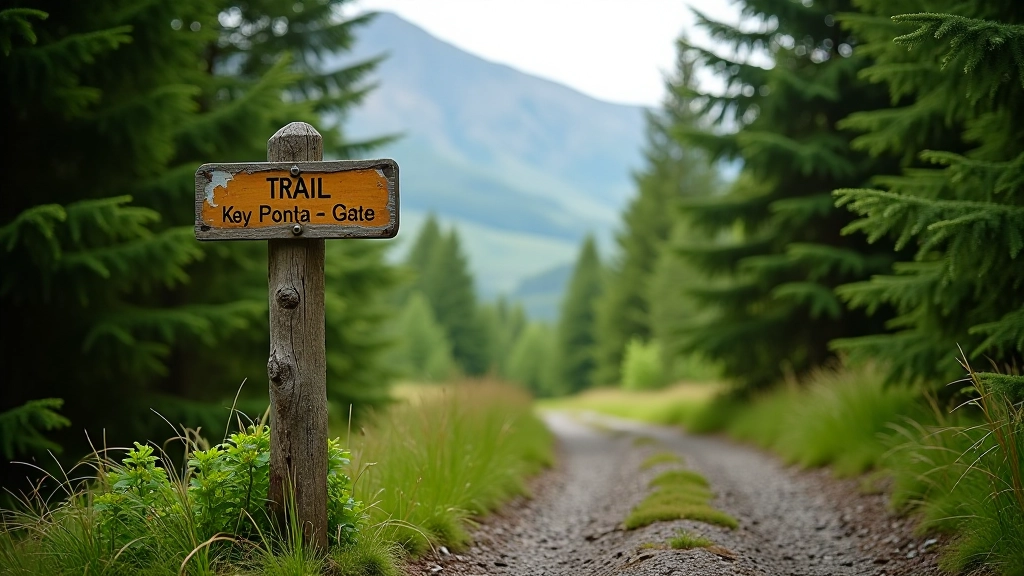
Most trails are well-marked with posts and signs.
Surface Conditions on Main Routes
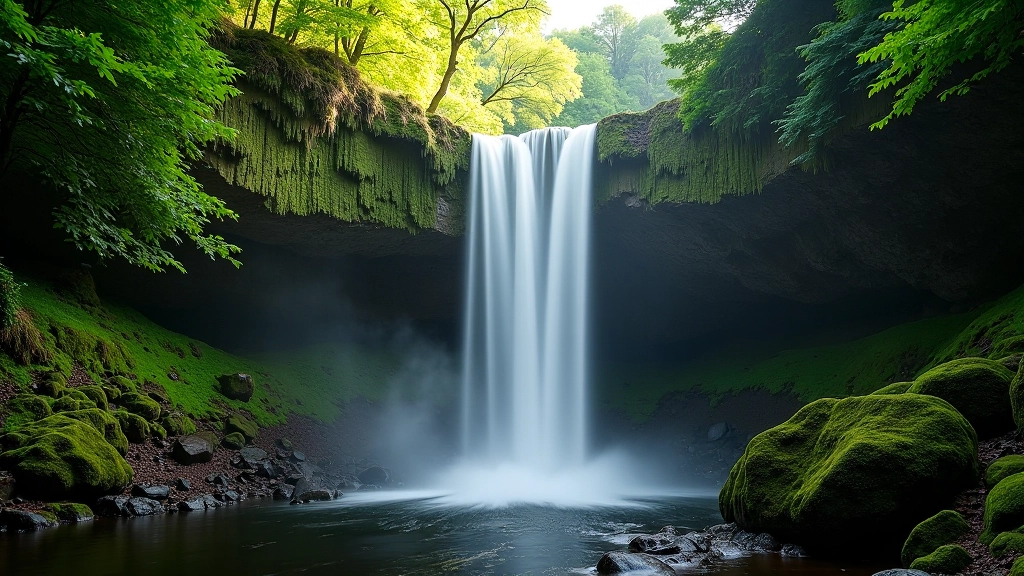
The two main routes — Torc Waterfall and Muckross Glen — have different surface characteristics. Torc's route starts on a well-maintained gravel path that's fairly wide. You won't be squeezing past others. The first 1.5 kilometres is the easiest stretch, almost like a park path.
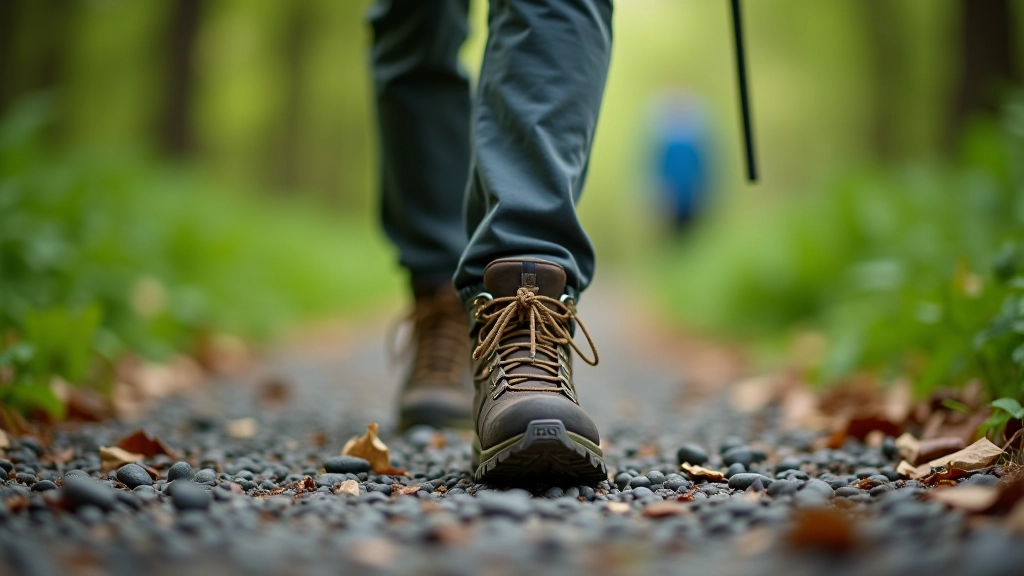
As you climb higher, the gravel transitions to natural earth. It's compacted but can be slippery when wet. The final approach to the waterfall uses loose stones — uneven but not dangerous if you're paying attention. Most people find good footing with proper footwear.
Muckross Glen is gentler. The circuit stays mostly on packed earth with some wooden boardwalk sections over boggy areas. Those boardwalks? They're safe but can get slick when rain's been heavy. The glen doesn't have the steep climbing, so it's less technical overall.
What Shoes Actually Work Here
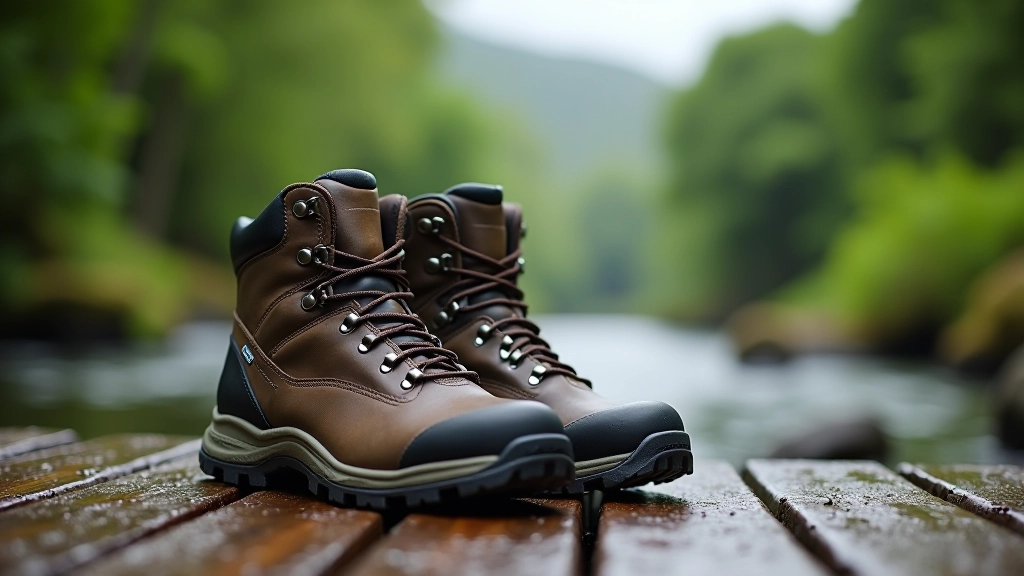
Don't wear regular trainers. Seriously. The gravel and loose stone will shift under your feet, and if there's been rain, you'll be sliding. You need proper hiking boots — not the fancy mountaineering kind, just solid support.
Waterproof hiking boots
Essential. Mud and water aren't optional. Merrell, Salomon, or Keen brands work well for Irish conditions.
Thick hiking socks
Wool blend prevents blisters and keeps your feet warm when they're damp. That's not paranoia — it's what happens.
Good ankle support
The terrain's uneven. Mid-cut or high-cut boots prevent twisting on loose stone sections.
You don't need expensive gear. A solid £60-80 pair of hiking boots will serve you better than premium road shoes. Break them in before you go — that matters more than the brand.
Weather Patterns and Timing
This is Ireland. Rain happens. But it's not as dramatic as the tourism boards suggest. We're talking brief showers, not monsoons. The real issue isn't getting soaked — it's being unprepared.
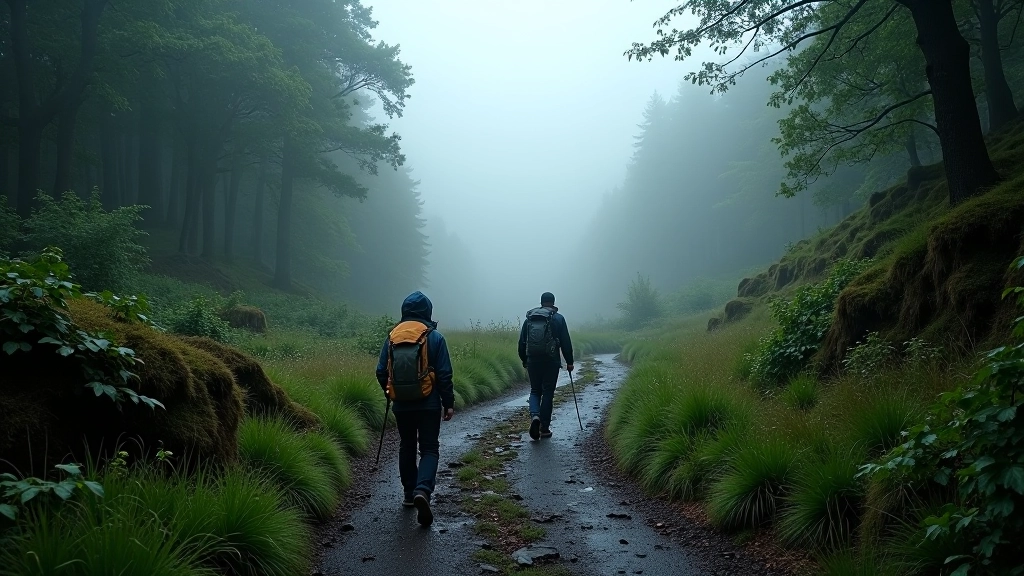
Summer months (June to August) are driest, but you'll still get afternoon showers. Mornings tend to be clearer. Start early — by 10 AM you're on the trail and avoiding the worst of the afternoon clouds. Wind's consistent but rarely dangerous on these routes. Visibility can drop quickly in mist, though.
Spring and autumn bring more changeable conditions. You might leave your accommodation in sunshine and be in rain within an hour. This isn't a reason to avoid visiting — it's just reality. Layer your clothing, bring a lightweight waterproof, and you're sorted.
Important Information
This article provides informational guidance about Killarney walking trails based on typical conditions. Trail conditions vary seasonally and can change daily based on weather, maintenance work, and other factors. Always check with local visitor centers or trail management for current conditions before your visit. Individual fitness levels and hiking experience differ — what's described as manageable may vary for each person. Consider consulting with local guides or rangers if you're uncertain about your readiness for any trail.
Where Facilities Are Located
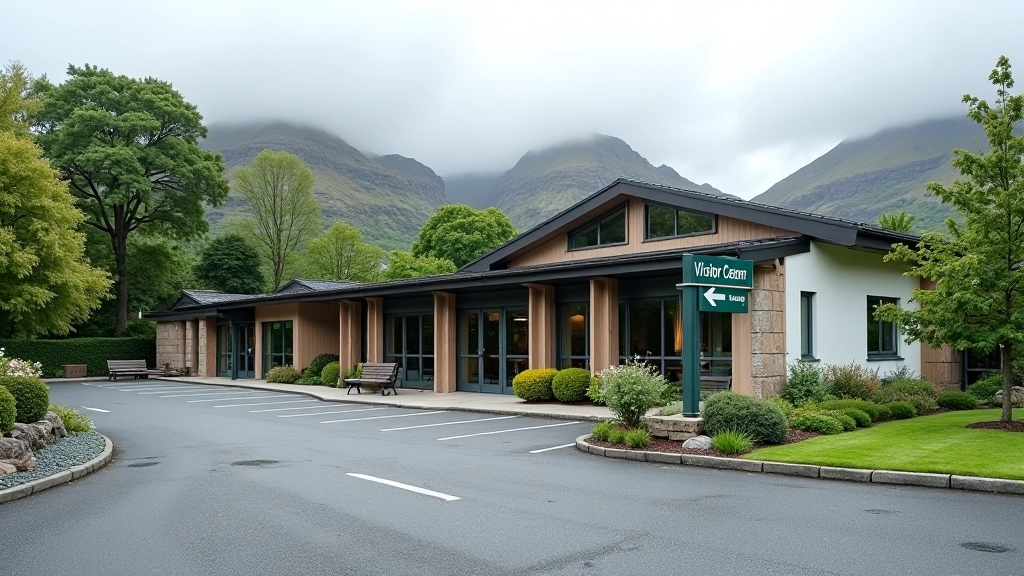
Both main routes start from easily accessible parking areas near visitor facilities. Torc Waterfall car park has toilets, information boards, and a café — basic but clean. Muckross has a visitor center with more extensive facilities, including a restaurant and gift shop.
Don't plan on facilities during the walk itself. These aren't long trails with mountain huts. You'll want a water bottle and snacks in your backpack. Most walkers take about 2-3 hours for Torc, slightly less for Muckross, depending on pace.
Mobile phone signal is patchy but exists on most sections. Not reliable for emergency calls in all areas, so tell someone where you're going. The park has volunteer rangers and informal groups often share trails — you're rarely completely alone.
Realistic Timing and Pace
Torc Waterfall is 4.5 kilometres round trip with elevation gain of about 260 metres. Sounds simple. Most people take 2.5 to 3.5 hours including breaks. That's not rushed — it's realistic when you factor in stopping to catch your breath, taking photos, and enjoying the views.
Moderate pace (most walkers)
2.5–3 hoursLeisurely (older walkers, frequent stops)
3.5–4 hoursMuckross Glen (easier route)
1.5–2 hoursDon't try to "beat" these times. The point is being there, not arriving quickly. Weather, fitness, and trail conditions all affect pace. Leave yourself daylight — winter closes in fast here.
What Actually Goes in Your Backpack
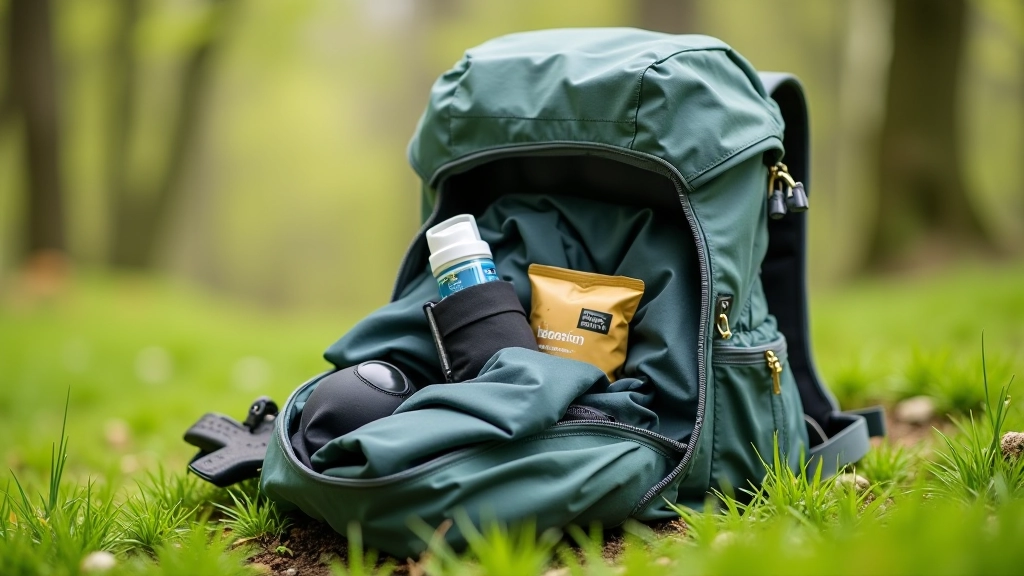
This isn't backpacking. You're not carrying a tent. A day rucksack — 15 to 20 litres — is more than enough. What matters is packing smart.
Water bottle (1.5 litres minimum)
Don't rely on streams. Refill at car parks.
Energy snacks
Granola bars, nuts, fruit. Eating halfway keeps energy steady.
Waterproof jacket
Lightweight, packable. You'll use it.
Hat or cap
Sun exposure is real, even on cloudy days. Keeps rain off your face.
Leave the heavy stuff at the car. You don't need every gadget. A simple backpack, good shoes, water, and sensible clothing — that's the list.
Ready to Walk These Trails
Killarney's walking routes aren't mysterious or dangerous — they're just real trails with real conditions. You'll encounter mixed surfaces, variable weather, and the occasional muddy section. None of that's a problem if you're prepared.
Good boots matter more than expensive gear. Layers matter more than weather forecasts. Starting early matters more than starting fast. These practical details are what make the difference between an enjoyable walk and a frustrating one.
The views are worth it. The fresh air is worth it. And you'll find that Irish trails are better when you know what to expect. Now you do.
More Walking Guides