Tips for Comfortable Hiking as You Age
Proper footwear, pacing strategies, hydration schedules, and recovery techniques. Real advice that helps you enjoy walking without soreness or exhaustion afterwards.

Get Your Feet Right From the Start
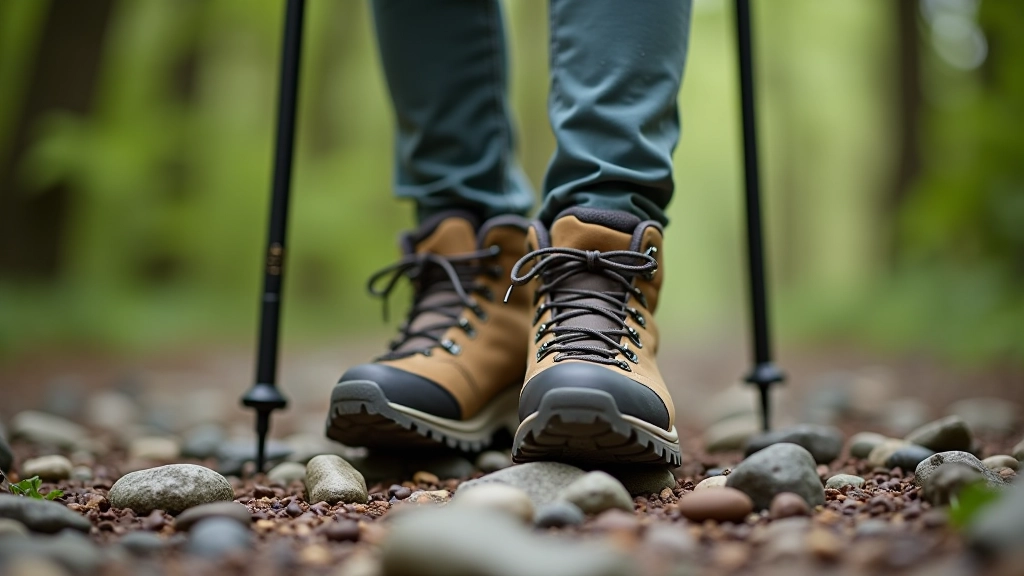
Your shoes are everything. Seriously. I've seen people abandon beautiful trails after 30 minutes because they wore the wrong footwear. That's not hiking — that's just pain with scenery.
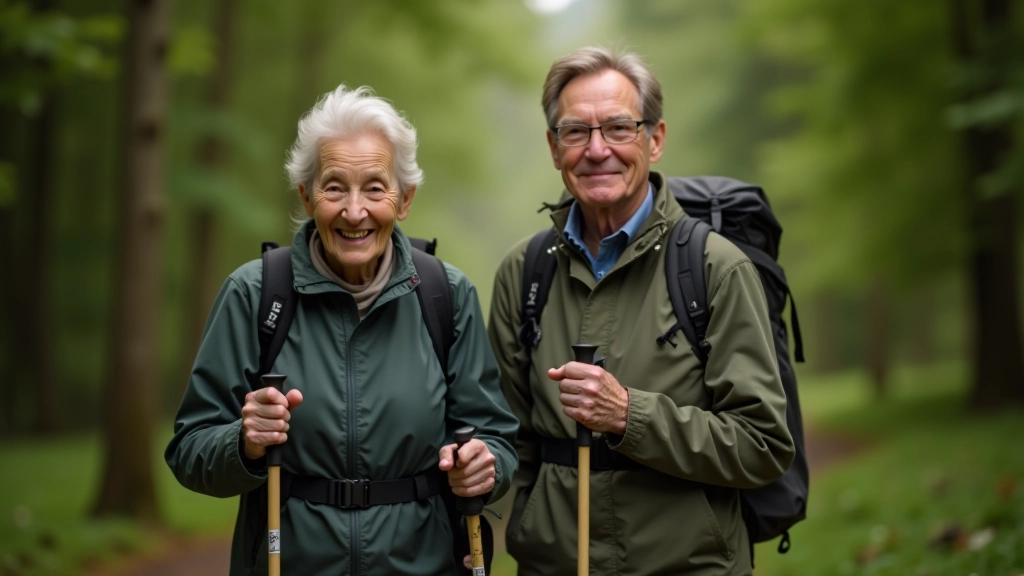
Look for hiking boots or trail shoes with proper ankle support. You'll want cushioned soles that don't flatten out after a mile, and uppers that don't rub. Most people go a size larger than their regular shoes to accommodate thick socks and swelling. Break them in at home first — don't discover blisters on day one.
Merino wool socks aren't a luxury. They're practical. They keep moisture away from your skin, stay warm when wet, and won't give you blisters like cotton does. Bring two pairs on longer walks.
Pro tip: Test your boots on 2-3 short walks before tackling longer routes. Your feet adapt, and minor discomfort often goes away — but genuine rubbing or pressure points won't.
Pace Yourself — It's Not a Race
This is where most people get it wrong. They start strong, burn out at the halfway point, and spend the rest of the walk miserable. Don't be that person.
On a 4-5 kilometre walk, you're not racing. You're moving at a conversation pace — you should be able to talk without gasping. If you're breathless, you're going too fast. Slow down. Your knees and hips will thank you, and you'll actually enjoy the views instead of staring at your feet.
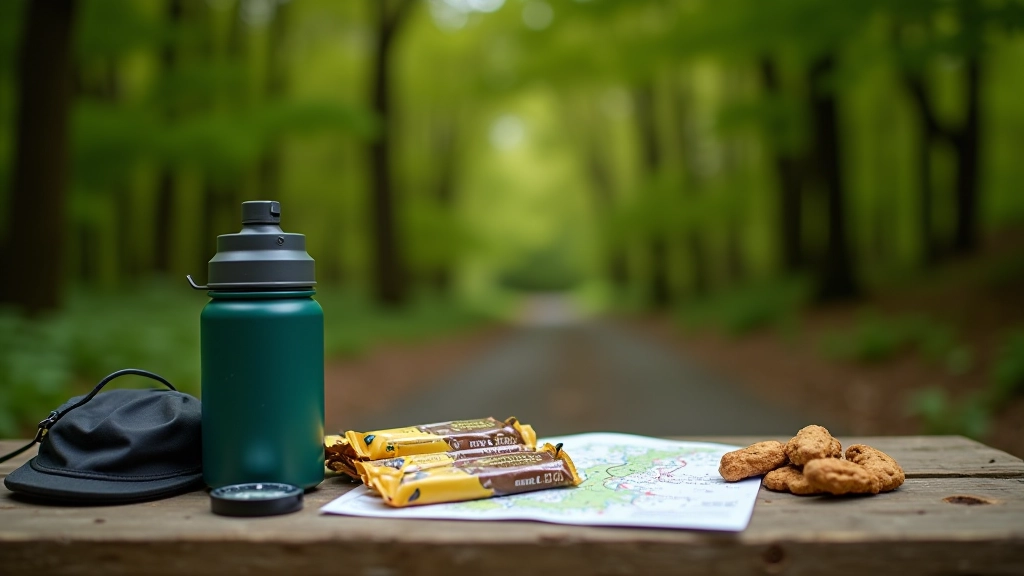
Build in rest breaks. Sit for 10-15 minutes every 45-60 minutes of walking. Not because you're tired necessarily, but because breaks reduce strain on your joints and give your legs a genuine recovery. Bring a light snack — an apple, some nuts, a piece of chocolate. Energy levels stay steady.
Information Notice: This article provides general guidance for enjoying hiking at any age. Every person's fitness level and physical capabilities are different. If you have existing health conditions, joint problems, or concerns about physical activity, it's wise to consult your doctor or a physiotherapist before starting new hiking routes. The trails mentioned in our guides vary in difficulty — always assess conditions and your own readiness before heading out.
Hydration and Fuel Make the Difference
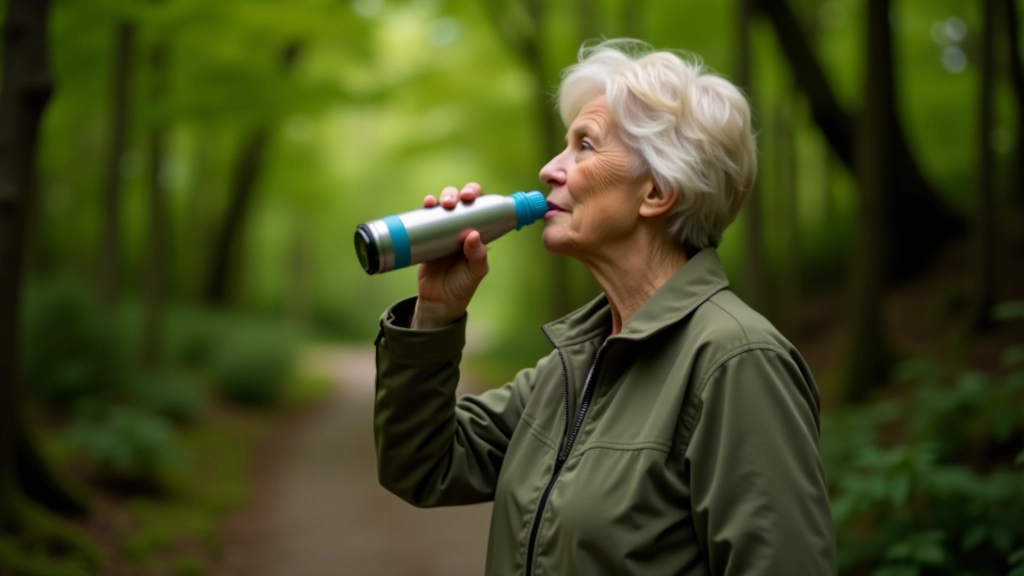
Don't wait until you're thirsty to drink water. By then you're already dehydrated. Drink small amounts regularly — a few sips every 15-20 minutes. You'll maintain better energy and your legs won't cramp.
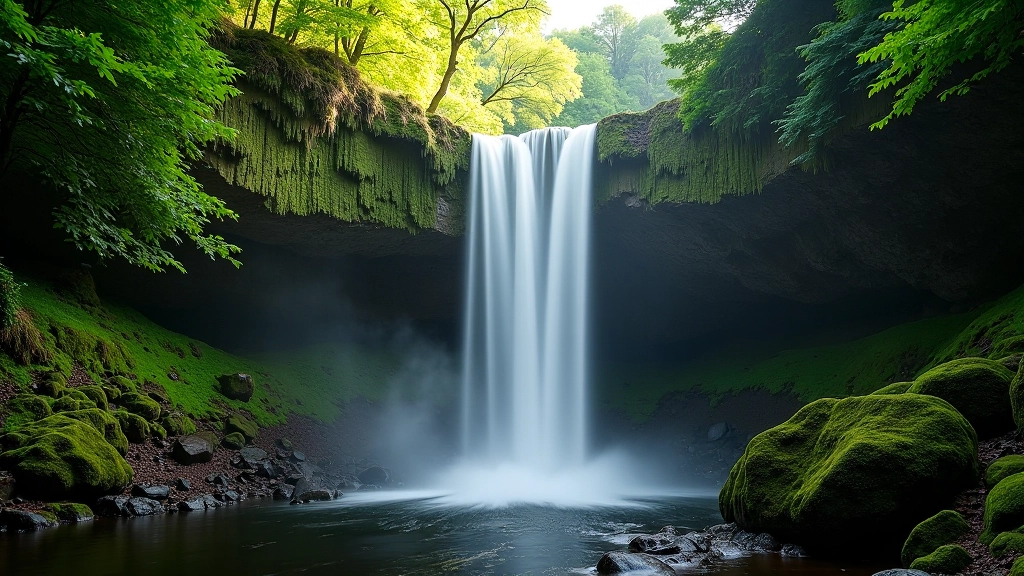
For a 2-3 hour walk, carry at least 1.5 litres of water. More if it's warm or you're walking at higher elevation. If you're hiking Torc Waterfall or Muckross Glen, bring electrolyte tablets or a sports drink mix. They're lightweight, cheap, and they help your body retain fluid better than plain water alone.
Food matters too. Your body needs fuel to keep muscles working and joints stable. A banana before you start gives you quick energy. Nuts or a granola bar halfway through keeps your blood sugar level. These small amounts prevent the energy crashes that make walking feel harder than it actually is.
Recovery Happens After — Not During
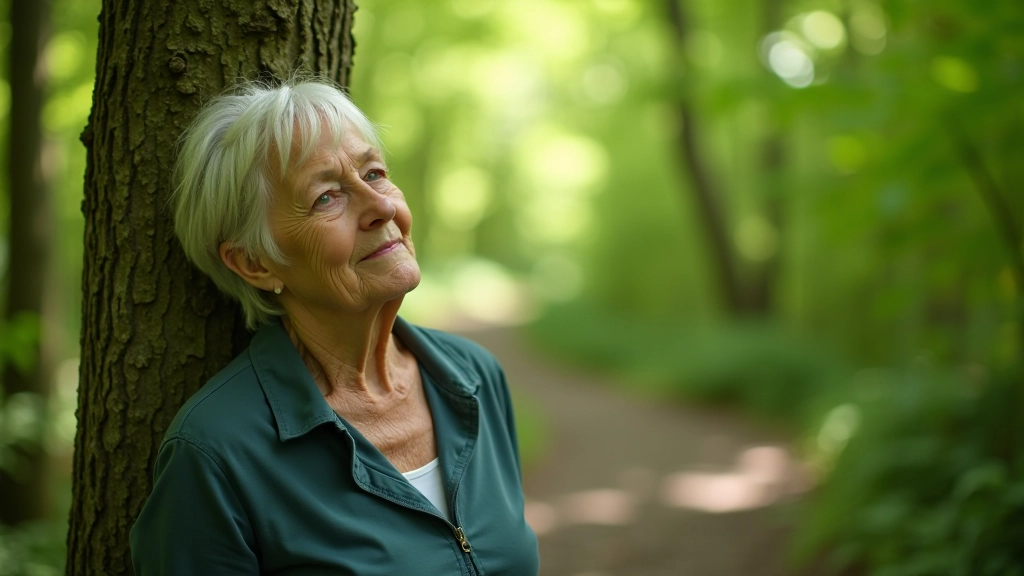
The walk itself is only part of the equation. How you feel the next day depends partly on what you do in the hours after you finish.
Stretch gently when you get home. Not aggressively — gentle stretches for your calves, quads, and hip flexors. Hold each for 20-30 seconds. Tight muscles recover slower and feel sore longer. A warm bath or shower with Epsom salts helps too. It's not fancy, but it reduces inflammation and stiffness.
Sleep matters. Your body repairs muscle tissue while you rest. If you're hiking one day, give yourself an easy day the next. That doesn't mean sitting on the couch — a gentle walk, swimming, or light yoga keeps things moving without adding stress. Don't do back-to-back challenging hikes. Space them out. Your body will adapt faster and you'll feel stronger sooner.
Recovery schedule: Hiking day + rest day + normal activity = sustainable progress. Rush it and you'll end up sore, frustrated, and skipping walks you'd actually enjoy.
Start Where You Are
Comfortable hiking isn't about being the fittest or the fastest. It's about smart preparation — good shoes, sensible pacing, proper hydration, and listening to your body. The Torc Waterfall trail, Muckross Glen, and dozens of other walks around Killarney become genuinely enjoyable when you approach them this way.
Your first walk doesn't need to be ambitious. Pick a 3-kilometre route, take your time, bring water, and notice how you feel. Then you'll know what adjustments to make next time. That's how people go from "hiking sounds nice but my knees hurt" to "I'm hiking twice a week and I love it."
The trails aren't going anywhere. You'll get there at your own pace.